
Kitchen Hardwood vs Luxury Vinyl Plank: Which Is Better in Vancouver?
Kitchens are high-traffic, high-cleaning, high-spill zones. This guide compares hardwood and LVP specifically for kitchen use—moisture risk, durability, comfort, resale perception, and what actually matters for a premium install.
At a Glance: Best Fit for Most Kitchens
If you want a quick answer: hardwood wins on timeless character and refinishability; LVP wins on moisture tolerance and low maintenance. The “best” choice depends on how your kitchen is used day-to-day.
Choose Hardwood If…
- You want authentic wood grain and long-term resale appeal
- You value refinishability (restore instead of replace)
- Your household is lower spill-risk (or you’re very diligent)
- You want one continuous premium floor through living + dining
Choose Luxury Vinyl Plank If…
- You want better protection from spills, wet footwear, and pets
- You need a durable, low-maintenance kitchen floor
- You’re in a condo and need an acoustic-friendly assembly
- You want the wood look with simpler upkeep
Kitchen Reality Check: The 5 Risks That Decide the Winner
1) Dishwasher + Fridge Leaks
Hidden leaks are the #1 flooring surprise in kitchens. LVP is more forgiving; hardwood is more vulnerable to swelling, staining, and cupping.
2) Daily Cleaning Style
If your kitchen gets frequent wet mopping, LVP is typically the safer choice. If you prefer damp cleaning and quick spill response, hardwood can perform well.
3) Chair + Stool Scratches
Islands bring stool movement. Hardwood can scratch; LVP resists wear well, but can dent from sharp impacts. Felt pads and mats help either option.
4) Condos + Sound Requirements
Strata rules can require specific underlay. The wrong underlay can make floors feel “soft” or hollow—proper subfloor prep and compatible assemblies matter most.
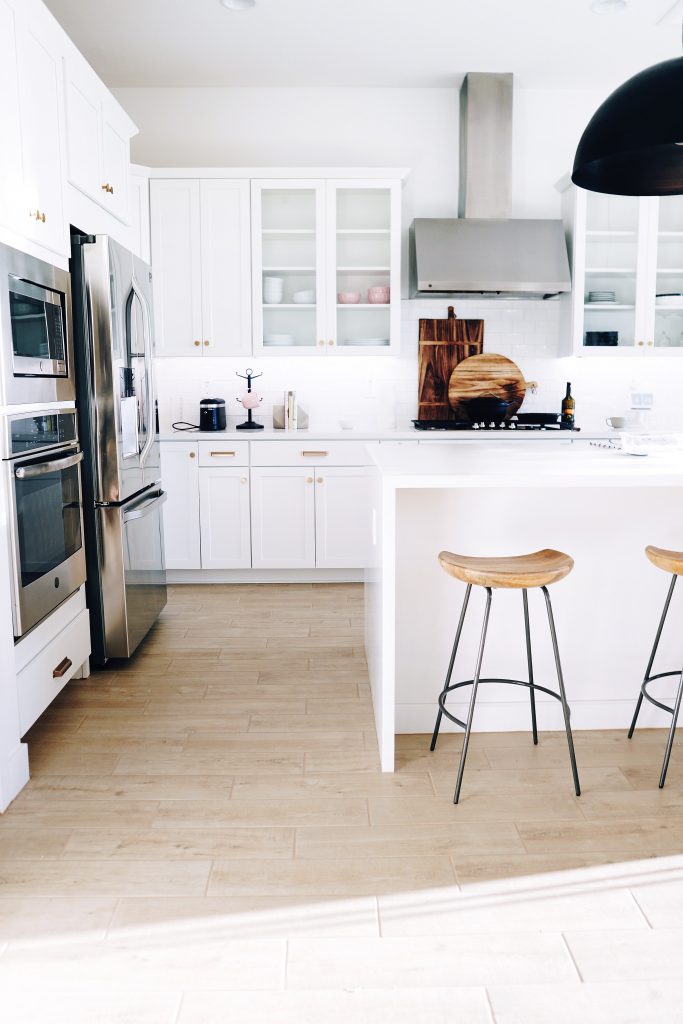
If you’re planning a full upgrade, use your renovation scope to guide flooring decisions: kitchen renovations in Vancouver.
Hardwood vs LVP for Kitchens: Side-by-Side
This table focuses on what matters in real kitchens—not showroom conditions.
| Feature | Hardwood (Kitchen Use) | Luxury Vinyl Plank (Kitchen Use) |
|---|---|---|
| Spill & moisture tolerance | Moderate (fast cleanup required) | High (many collections are waterproof) |
| Maintenance | Damp cleaning + care; refinishable | Simple cleaning; replace if damaged |
| Scratch / dent profile | Can scratch; dents from impacts | Resists wear; can dent from sharp impacts |
| Comfort underfoot | Warm + natural feel | Softer feel; quieter with correct underlay |
| Resale perception | Classic premium material | Strong when high-quality + well installed |
| Best fit | Design-led homes with good spill habits | Busy kitchens, pets/kids, condos, rentals |
For install-specific guidance, use these service pages: hardwood installation options and vinyl plank flooring choices.
Cost Expectations in Vancouver Kitchens
Exact pricing depends on product tier, subfloor flatness, demo, transitions, stairs/elevators, and detailing. Use these ranges to budget directionally, then confirm with a site review.
Hardwood (Typical Kitchen Range)
- Material + install varies by species, width, and finish
- Refinishability can improve lifetime value
- Moisture planning matters (mats, cleanup habits)
LVP (Typical Kitchen Range)
- Quality varies—wear layer + locking system matter
- Prep/leveling is the step that makes it feel “luxury”
- Condo underlay requirements can affect the final cost
Want a Clear Recommendation for Your Kitchen?
We’ll compare real samples, talk through spill risk and maintenance, confirm underlay/strata needs (if applicable), and build a clean install plan with proper transitions and detailing.
Kitchen Hardwood vs LVP FAQs
Is luxury vinyl plank actually waterproof for kitchens?
Many LVP collections are waterproof, but performance still depends on correct installation, perimeter detailing, and subfloor prep.
Will hardwood get ruined by normal kitchen spills?
Hardwood can work in kitchens if spills are cleaned quickly and cleaning habits are moisture-aware. Hidden leaks and standing water are the bigger risks.
Which option feels more premium underfoot?
Hardwood has unmatched natural character. High-quality LVP can feel premium when the subfloor is flat, the underlay is compatible (not too soft), and transitions are done cleanly.
What’s the best option for condos?
It depends on strata sound requirements and approved assemblies. LVP is commonly chosen because it pairs well with acoustic strategies, but product + underlay compatibility matters.